Hardwood floors do more than carry foot traffic. They set the mood of a room, bounce or absorb light, and frame every design choice that follows. Choosing between light and dark hardwood floors is not only a style decision, it touches maintenance, resale, longevity, and even how large your rooms feel. After years of specifying stains and finishes, walking job sites at every stage, and revisiting projects years later, I have a simple starting principle: match the floor to the life you actually live, then refine the tone to the architecture and light in the space.
Why this decision feels bigger than stain color
Flooring is one of the largest continuous surfaces in any home. Small changes in tone shift the eye’s perception of volume and balance. A soft natural oak can make a Chicago garden apartment feel airy despite limited windows. A deep walnut stain can anchor a big open-plan family room that otherwise floats. Your floor interacts with cabinets, countertops, furniture legs, wall color, trim sheen, and daylight. It also interacts with daily realities like a dog that loves the backyard or a toddler who treats snack time as a contact sport.
At Revive 360 Renovations, we often help clients who begin with a cabinet or countertop decision, then realize the floor either elevates or fights the rest of the palette. The conversation turns to maintenance, durability, and lighting conditions as much as it does to photographs on Pinterest.
The visual effect of tone
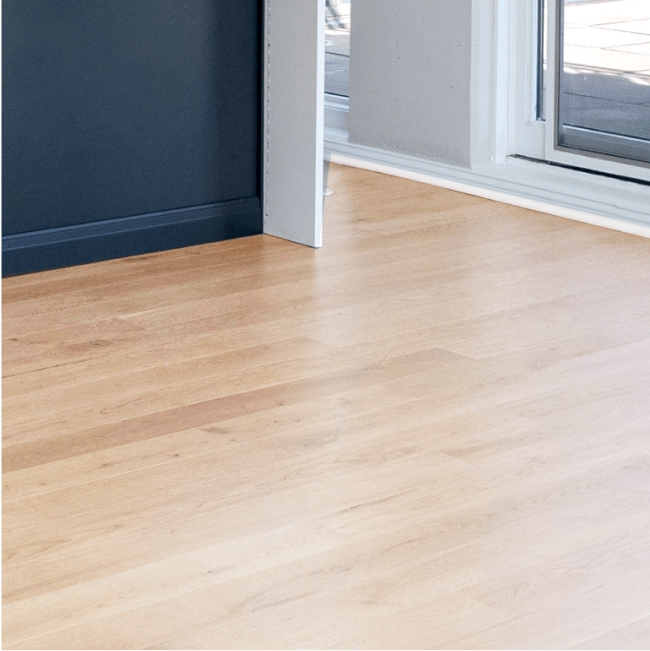
Light floors reflect more light, which helps compact rooms and lower levels feel larger. In homes with limited natural light or northern exposures, paler woods counter the gray cast that can make spaces feel flat. Dark floors absorb light and add definition. In tall rooms or sunny great rooms, that visual weight can be exactly what you need to ground large furniture groupings.
Species and grain matter as much as tone. White oak with a matte, natural finish reads calm, a little Scandinavian, and very forgiving to variations in wall color. Red oak takes on warm character even at lighter stains, which can be a virtue in traditional homes with medium-toned trim. Walnut, a naturally darker species, offers depth even with a clear finish and is prized for its figure. If your project must match existing baseboards or stair treads, study how undertones interact. A cool gray wall next to a red-leaning floor can make the floor look pink. Warm whites and creams play nicely with both light natural oak and richer espresso stains.
Maintenance and the truth about dust
Many homeowners assume dark floors hide everything. They hide certain stains and small tonal shifts, but they do not hide dust or pet hair. If anything, a coffee-black floor highlights lint under morning sunlight. Light floors can camouflage dust, crumbs, and micro-scratches better, though they show dark scuffs from shoes more readily.
Finish sheen changes the equation. A matte or extra-matte finish diffuses reflections, which makes fine scratches and dust less visible on both light and dark floors. Semi-gloss shows every line. Over the past five years, most of our clients have shifted to matte waterborne finishes for precisely this reason. They also age gracefully.
In kitchens, where we mop more often and see everything at ground level, https://www.reviverenovations.com/ mid-tone or light floors with matte finishes typically keep their sanity. If you love a dark floor in a kitchen, choose a wire-brushed texture that gives scratches somewhere to hide, and plan on quick-swiffer passes a few times per week.
Durability, hardness, and stain choices
Color does not change the structural durability of wood, but the combination of species, cut, and finish does.
- Species hardness. White oak is a workhorse in Chicago homes, with a Janka hardness around 1360. Red oak sits close behind. Maple is harder but takes stain unevenly, especially at darker tones without long conditioning. Walnut is softer, which means dents come easier, though many owners accept that as patina. Cut and grade. Rift and quartered white oak has straighter grain and better dimensional stability. That stability helps in older homes with fluctuating humidity, and the straight grain reads quietly under both natural and deep stains. Surface texture. Wire-brushing removes softer spring grain and adds texture. Scratches blend in. A hand-scraped or lightly distressed floor is even more forgiving, but it imposes a style point of view you need to love long term.
A note from the field: at Revive 360 Renovations, when we stain a red oak floor dark to the point of espresso or ebony, we test two or three conditioners and sample areas under both natural and artificial light. Red oak’s open grain takes dark stains beautifully, but edges and stair nosings need patient sanding to avoid lap marks. On white oak, which stains more evenly, we still sample because tannin levels shift subtly board to board.
Cleaning routines that actually work
Floor tone nudges your cleaning habits. Lighter floors tolerate weekly vacuuming and spot mopping without looking unkempt in between. Dark floors often invite a fast dust mop every other day to keep lint from telegraphing. The right tools matter more than the tone, though. Use a vacuum with a soft-bristle hardwood head, not a beater bar. Mop with a barely damp microfiber pad and a manufacturer-approved cleaner. Avoid steam, which forces moisture into seams and can haze finishes.
For homes with kids and pets, clip nails regularly and place breathable pads under water bowls. At exterior doors, keep a walk-off mat outside and an indoor rug runner. Aesthetics aside, these small habits add years to any finish.
Resale value and buyer psychology
Real estate markets cycle through preferences. Ten years ago, espresso and ebony dominated listing photos. Then came the gray-wash wave. Recently, natural and light mid-century tones have led the pack again, especially with the popularity of white oak. What has remained consistent is buyer sensitivity to condition. A lightly worn natural oak floor beats a scratched dark floor every time, even if dark is in vogue that season.
In our experience, buyers of traditional Chicago bungalows and two-flats gravitate toward warm mid-tones that respect the age of the home. Loft buyers in the West Loop often prefer very light or very dark for contrast against brick and steel. If you plan to sell within two to three years, study comps in your neighborhood. If your horizon is five to fifteen years, choose the tone you love and invest in a high-quality finish that you will maintain.
Light hardwood floors: the upsides
Light floors open rooms, blur boundaries, and make furniture feel like it floats. They pair well with both modern and classic millwork. Designers appreciate how they accept a wide range of paint colors. They are forgiving of everyday dust and micro-scratches, which reduces the mental load of keeping a home tidy.
On projects with limited natural light, we lean toward natural or lightly whitewashed white oak. It resists the ambering that turned many old maple floors orange, especially when finished with modern waterborne urethanes. In kitchens, light floors play well with marble-look quartz countertops and painted cabinets. If you are exploring Thinscape countertops in a sleek, modern remodel, a pale floor keeps the footprint crisp without overwhelming the slim profile.
Light hardwood floors: the trade-offs
Light floors show dark scuffs and shoe marks immediately. They will display stains and water spots if the finish fails, so entry mats and prompt cleanup still matter. Light floors can also skew too cool if paired with blue-grays on the walls and polished chrome everywhere. A small dose of warmth in lighting temperature, or a greige wall color, restores balance.
Another factor is species character. A very light stain on red oak can accentuate pink undertones. If you want pale and neutral, white oak is safer unless you plan to counteract warmth with a custom stain blend. Maple stays pale but takes dark stain unpredictably, so if you want flexibility over decades, white oak again gives you more lanes.
Dark hardwood floors: the upsides
Dark floors bring drama and definition. They underscore white cabinetry, strengthen contrast with light walls, and highlight architectural trim. In formal living rooms and dining rooms, dark floors add a sense of permanence. They can hide boards with inconsistent color because the stain unifies them.
When clients at Revive 360 Renovations choose dark, they often do so to calm an eclectic home. If you have several wood species in furniture and built-ins, a dark floor can tie the palette together. We have used deep brown, not black, with a matte sheen to achieve the effect without the maintenance demands of jet-black. A hint of warmth in a dark stain often looks richer and shows less lint than a pure black.
Dark hardwood floors: the trade-offs
Dust, pet hair, and fine scratches show sooner on dark floors. A glossy dark finish will expose every imperfection from the first week. Sunlight can also reveal cleaning streaks. If you want dark, go matte or satin. Choose a wire-brushed texture to hide hairline scratches from chairs and canine claws. Keep floor protectors under furniture and replace them once they compress.
Another consideration is room size. In small rooms with low ceilings and minimal daylight, very dark floors can feel heavy. That is not always a negative. In a compact powder room, a dark floor with jewel-tone walls looks intentional and lush. In a small kitchen without a window, it risks feeling tight. Let the architecture guide the tone.
Sheen, topcoat chemistry, and how they age
Most homeowners fixate on color and overlook sheen and chemistry, which have equal impact on the lived experience.
Waterborne polyurethane has advanced dramatically. It stays clear longer, resists abrasion, and can be tinted or paired with hardener systems for higher performance. It dries fast, which allows projects to move quickly, and the odor is far milder than oil-based systems. Oil-based poly brings a warm amber cast and levels beautifully. It also amberizes more over time, which matters if you want to keep pale floors from warming. For very light floors, we specify waterborne matte products almost exclusively. For dark floors where you want a deep, hand-rubbed look, certain oil-modified waterbornes split the difference.
Sheen is a design decision and a maintenance decision. Matte hides more. Satin hides enough while still reflecting a touch of light. Semi-gloss is rarely a good idea in busy homes. If you ever refinish, ask your contractor to sample your chosen color in two sheens near a window and in a darker corner. The way a finish reads at noon in a south-facing room versus at dusk in a hallway can be surprising.
Working with existing cabinets, countertops, and tile
Flooring rarely exists in isolation. In a kitchen remodel, modifying everything at once is ideal, but many projects happen in phases. If your cabinets are medium-stained maple from a 2008 renovation and your countertops are a warm granite, a very dark floor can look elegant and deliberate. A very light floor might fight undertones. If you plan to paint the cabinets later, a light floor with a neutral undertone sets you up for white, greige, or even a color-forward island.
We often cross-reference decisions with larger kitchen choices. If you are studying The Ultimate Guide to Kitchen Remodeling Costs in Chicago, you will notice how floor refinishing compares favorably to full replacement for budget control. If your project leans modern and you are exploring How to Choose the Perfect Kitchen Countertop Material for Your Home, remember that the floor tone frames slab veining. Busy stone patterns calm down over light floors and pop over dark ones. In small condos where storage is tight, pairing Modern Kitchen Design Ideas for Small Spaces with a pale floor expands perceived volume without moving a single wall.
Pattern, plank width, and scale
Tone is one lever. Plank width, layout, and pattern are others. Wide planks, 6 to 8 inches, read contemporary and allow grain to breathe. They also show more variation board to board, which looks lively on light floors and rich on dark ones. Herringbone or chevron adds movement, especially in entry halls and dining rooms where you want a bit of ceremony.
If your home has long narrow rooms, running boards across the short dimension can make spaces feel wider. In multi-room refinishes where some areas have tile or thresholds, plan transitions so the floor direction feels intentional from room to room. On older Chicago floors, we sometimes lace in new boards, then sand entire levels so the tone and sheen unify a patchwork of past repairs.
Edge cases: basements, baths, and sunlight
Below-grade spaces bring moisture risk. Engineered hardwood, which sandwiches a hardwood veneer over stable layers, handles humidity swings better than solid wood. Both light and dark tones work, but the finish system and acclimation process matter. Avoid steam mops and let the boards acclimate to the space for several days. In baths, wood looks beautiful but needs careful detailing. Use bath mats and wipe standing water. Alternatively, carry the wood tone into porcelain plank tile for the look without the worry. If you spend time comparing The Best Bathroom Flooring Options for Moisture and Durability, you already know this trade-off well.
Sunlight will shift color over time. Walnut lightens with UV exposure. Some stains fade. Window treatments and UV films help, but expect natural evolution. Rotate rugs twice a year so the floor colors age evenly.
How Revive 360 Renovations approaches sampling and decisions
We have learned not to trust stain decks alone. On nearly every project, Revive 360 Renovations prepares on-site samples after sanding a discrete area. We sample at least three stain options and two sheens. We photograph each sample in morning and afternoon light and under the room’s actual bulbs. Clients live with the samples for a day or two. This routine prevents 90 percent of regrets because color memory is unreliable and lighting plays tricks on us all.
Another lesson from our crews: always review samples next to permanent elements. If you have a black metal staircase, hold a sample against its base. If you have quartz with warm veining, set a sample board under a countertop edge. The interactions tell the story better than any single swatch on the floor.
Real-world scenarios that clarify the choice
A young family in a Lincoln Square two-flat had a first-floor layout with modest windows and north light. They loved the idea of dark floors, but with two active kids and a golden retriever, maintenance would have become a chore. We sampled espresso and a natural matte white oak side by side. The natural finish lifted the rooms, hid crumbs between vacuum days, and paired beautifully with painted shaker cabinets and a quartz with subtle veining. Two years later, we returned to install a kitchen island and the floor looked fresh.
On the other end, a couple in a loft with 12-foot ceilings and industrial windows wanted more definition under their white cabinets and stainless counters. Light floors made the space feel a little washed out. We finished white oak with a deep chocolate stain in a matte sheen. The result grounded the open plan, made area rugs pop, and added a welcome sense of intimacy for evening entertaining. Their cleaning routine became a quick dust mop most mornings, a trade they were happy to make for the mood they wanted.
These projects represent how Revive 360 Renovations navigates preference, architecture, and daily life rather than chasing trends.
Cost, timing, and disruption
Whether you go light or dark, refinishing follows the same basic steps. Sanding removes the old finish, minor dents, and light cupping. Stain, if you use it, goes down after a thorough vacuum. Then come one to three coats of finish, with light abrasion between coats where specified. Most occupied homes can handle a main-level refinish in three to five days, with cure times that allow careful foot traffic after the first coat and furniture return after final curing, often 3 to 7 days depending on product. If you plan other work such as painting, schedule it so sanding occurs before final wall coats. Dust containment has improved, but a fresh wall finish appreciates fewer trades underfoot.
For clients juggling larger renovations, the interplay between floors and cabinets shows up again. Kitchen Cabinet Painting vs. Replacement: What's Right for You? often intersects with the floor choice. If painting, finish the flooring first, then protect it well before cabinet spray work. If replacing, sequence the floor refinish after cabinet boxes are in but before final appliance set. Small scheduling decisions spare you touchups and fingerprints later.
Design frameworks that simplify the decision
If a room has low natural light and ceilings under nine feet, lean light. If a room is bright and tall and you want intimacy, lean dark. If you love vivid wall colors or patterned tile, light floors give those choices room to breathe. If your palette is mostly white and cream and you crave contrast, dark floors supply it without adding clutter.
Consider how you use rugs. A light jute rug on a light floor disappears, which might be perfect if you want continuity. The same rug on a dark floor becomes a layer. If you have heirloom Persian rugs with rich reds and blues, dark floors complement them, but light floors let their colors shine from the edges.
Lastly, reflect on your appetite for maintenance rituals. Some people enjoy a quick daily swish. Others want to think about floors as little as possible. Both can be happy with either tone, but knowing yourself helps avoid surprises.
Common mistakes to avoid
There are a few traps we see repeatedly. Over-correcting undertones is one. If trim and doors are warm, pushing the floor to a cool gray to cancel warmth often makes both elements look off. A better approach is to choose a neutral floor and update a few key warm pieces like stair risers or door paint to meet in the middle.
Another is picking stain color from photos on a phone. Camera white balance lies. Your windows, bulbs, and wall colors are unique. On-site samples cost little and pay big dividends. A third is ignoring transitions. If you have tile in the kitchen and wood in the living room, plan the height and threshold detail so the meeting point looks intentional. On a recent project, we milled a custom reducer to marry a herringbone foyer to a straight-lay hallway without visual noise.
When darker or lighter affects long-term refinishing
Every refinish sands a thin layer of wood. Solid hardwood floors can be sanded multiple times, often 3 to 5, depending on board thickness and how aggressive prior sandings were. Dark stains can require tighter sanding sequences and more careful screening to avoid swirl marks, especially on species like maple. This does not limit your future choices, but it raises the value of hiring crews that sand progressively and vacuum meticulously. Lighter floors, especially natural finishes, sometimes allow a screen and recoat down the road instead of a full resand, which saves a day or two of disruption and preserves board thickness for decades.
Revive 360 Renovations guidance for kitchens and baths
Kitchens see chair legs, spills, and sunlight. We favor matte finishes with strong abrasion resistance, like high-solids waterbornes, and add felt pads under stools that actually get used. If your project threads through multiple updates, from counters to lighting, coordinate floor tone with other decisions. Kitchen Island Design: Size, Style, and Functionality Tips often intersects with floor tone because a larger island reads heavier on dark floors and lighter on pale ones. In compact city kitchens, where Maximizing Storage in a Small Chicago Kitchen is the mandate, light floors deliver a sense of volume that storage towers otherwise steal.
In baths, if you opt for real wood, protect the perimeter with careful caulking at tubs and use breathable rugs. If you go tile, consider Bathroom Tile Trends: From Classic to Contemporary and choose grout colors that harmonize with adjacent wood tones. Small details like a warm gray grout can bridge a light floor to a darker vanity, or vice versa.
A short checklist to lock your choice
- Study your natural light at three times of day and in two seasons. Place large finish samples next to permanent elements like cabinets and countertops. Choose sheen with the same care as color, matte or satin for most homes. Think honestly about cleaning habits, pets, and footwear rules. Confirm transitions and thresholds so rooms feel connected, not pieced.
What to expect after you decide
Once you land on light or dark, your contractor should confirm species, grade, board width, stain formula, and finish system. On site, the crew will protect adjacent rooms, sand, repair gaps where needed, and handle stain in controlled sections to avoid lap marks. Expect a day where floors are off limits, then careful walking in socks, then staged furniture return. Avoid area rugs for at least a week after the final coat unless your finisher advises otherwise. The finish continues to cure and harden even after it feels dry to the touch.
Years down the road, plan a maintenance screen and recoat when you notice traffic lanes beginning to dull. Catch it early and you avoid a full resand. The timing varies with household traffic. Some homes go five to seven years. Busy households with pets might prefer three to five.
The bottom line, shaped by real homes
Light hardwood floors bring airiness and grace to tight spaces, hide dust better, and support broad color palettes. Dark hardwood floors offer contrast, weight, and sophistication, at the cost of more frequent dusting and a higher bar for surface perfection. The right answer sits at the intersection of architecture, lifestyle, and palette.
At Revive 360 Renovations, we have seen both choices succeed across Chicago’s housing stock, from classic greystones to timber lofts. The common thread in happy outcomes is not the exact stain name, it is a methodical sampling process, honest conversations about living patterns, and respect for the house’s bones. Decide with your eyes on real samples in your rooms, under your light, and the floor you choose will feel inevitable every time you walk in the door.